
 简体中文
简体中文 Русский
 Français
 Português
 Español
 لالعربية
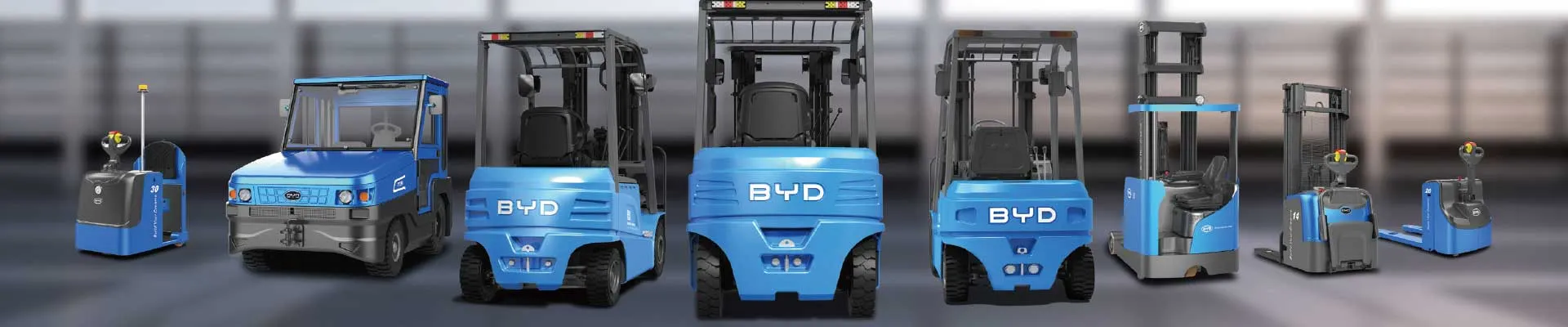
.jpg "Application-points for compact electric forklifts operating inside pre-fabricated-light-structure-warehouse-buildings(figure1)")
Prefabricated light structure warehouse buildings are widely adopted in modern logistics scenarios for their short construction cycle, reasonable cost and flexible spatial layout. Most of such facilities have limited floor load bearing capacity, relatively narrow internal aisles and low reserved clear height, which put forward special requirements for the selection and operation of indoor material handling equipment. Compact electric forklifts, which feature small body size, zero local emission and flexible steering, have become the preferred handling tool for such scenarios, while operators need to follow targeted application points to give full play to their performance.
The first core application point is path and space adaptation. Before formal operation, operators need to measure the actual width of internal aisles, the clear height under low structural beams and the size of cargo access openings, and confirm that the compact electric forklift’s turning radius, lifting height and body width can match all spatial parameters. During the moving process, operators should keep a safe distance of no less than 200mm from the prefabricated light structure walls, support columns and stacked goods, to avoid accidental collision that may cause damage to the light structure components. It is not recommended to carry out sharp steering or fast speed adjustment in the narrow aisle area, to keep the operation smooth and stable.
The second point is load matching management. The floor of prefabricated light structure warehouses usually has a designed limited bearing capacity, so operators need to check the maximum allowable single-point load of the floor in advance, and arrange the driving path on the areas with higher bearing strength as far as possible when transporting heavy goods. Do not make the forklift carry load beyond the rated value, and avoid long-time stay of fully loaded forklifts on the same floor area. When lifting goods to high positions, operators should also pay attention to the distance between the goods and the top roof structure, to avoid scratching the roof thermal insulation layer or light steel keel components.
The third point is daily operation and maintenance specification. As compact electric forklifts run in relatively closed indoor space, regular inspection of the power system, braking performance and steering sensitivity is necessary to eliminate hidden risks in time. Operators should keep the running noise at a reasonable level to avoid disturbing other on-site workers, and arrange charging in the special designated area outside the storage area, to ensure the whole operation process complies with local warehouse safety management regulations.


